- Feel Free To Call Us: +91 9311691081
- +91 9999189391
- +91 9540318080
- contact@dermalyn.in

Permanent Makeup Course in Delhi: Scientific and In-Depth Training for the Emerging Professional

Mesotherapy: A Modern Approach to Aesthetic Therapies
October 3, 2025
Best Dermal Fillers Treatment in Delhi : Scientific & Detailed Guide
December 12, 2025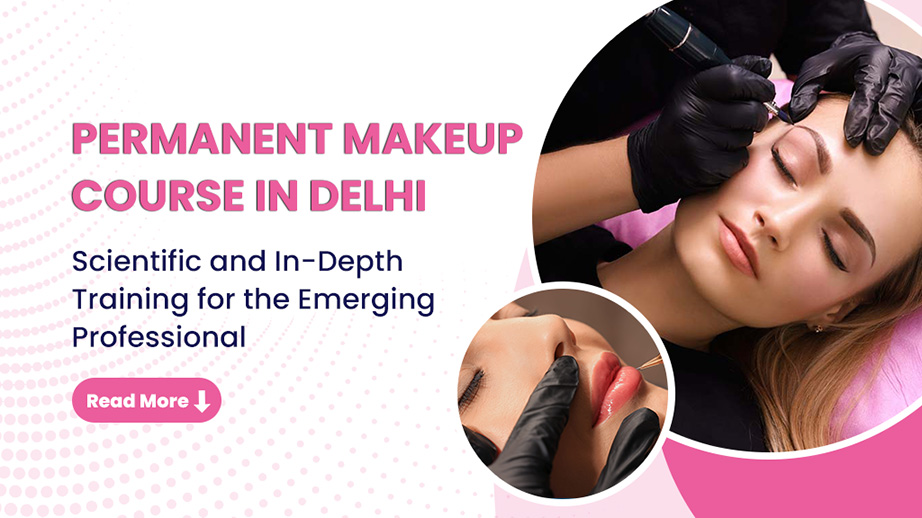
Permanent makeup has taken aesthetic dermatology to the next level by incorporating art and science in the permanent or semi-permanent beautification of facial features. The scientific evidence-based curriculum, starting from skin anatomy and pigmentology to hygiene protocols and practical expertise, is the first choice for professionals desiring to excel in this special stream by undergoing a permanent makeup course in Delhi. The following informative comprehensive article aims to educate the learners about all critical facets of pursuing permanent makeup training and answers frequent curiosities and questions with medically correct content in detail.
The Science and Anatomy Behind Permanent Makeup
Permanent makeup is the precise implantation of pigments into the skin’s dermal layer. In contrast to the conventional tattooing that places the ink deeper into the dermis, Permanent Makeup targets the upper to middermal layer so that it can cause natural, gradual fading. Knowledge about skin anatomy becomes important in this respect: the epidermis represents the very outer layer of skin, which renews itself every 28-40 days. It would therefore be temporary if the pigment were placed strictly within the epidermis. On the other hand, the dermis consists of collagen, elastin, blood vessels, and nerves; it is not subject to such a continuous shedding process, and therefore, for this particular purpose, it is the ideal repository for pigment.
Mastery of the technique and avoidance of complications are based on knowledge of the layers of the skin: the epidermis, the dermis, further divided into papillary and reticular layers, and the subcutaneous tissue. Precise knowledge of the vascular network around the face, especially in regard to the eyebrows and lips, will help the practitioner avoid excessive bleeding or bruising. The muscular anatomy about the periocular muscles responsible for eyebrow movements will be discussed in this course as a guide to strategic pigment placement, considering natural facial dynamics.
Pigments and Their Interaction with Skin Biology
Permanent makeup involves the use of hypoallergenic, biocompatible pigments prepared to interact safely with the skin cells. Color retention depends on pigment composition, skin type, and UV exposure, as well as individual immune response. Training covers the science related to formulation for either organic or inorganic pigment particle size and the different skin undertones that may affect color choice. For example, warm undertones call for the use of pigments whose colors correspond to them so as not to cause unnatural discoloration.
The scientific basis of the mechanisms of pigment fading, both through phagocytosis by Immune cells and oxidation of pigment, will enable the practitioner to plan appropriately for touch-ups. This course also puts great emphasis on the selection of pigments with secure safety profiles and explains how to manage pigment migration or distortion over time.
Mastery of Techniques and Equipment
This practical module will help in learning different techniques of Permanent Makeup including:
- Microblading is a manual technique of implanting thin hair-like strokes to achieve naturally full-looking eyebrows.
- Digital micropigmentation: Develop the use of machine-driven needles that would serve to give precision and evenness of deposition.
- Nanoblading in a gradient ombre style for eyebrows and lips.
- Scalp micropigmentation creates an appearance of hair follicles in thinning areas.
This will involve training with synthetic skin and then building up confidence and precision with live models under the guidance of a supervisor. Equipment care, selection of needles, depth control, and pressure application will be explained from a scientific point of view in order to minimize trauma and optimize pigment retention.
Safety Protocols and Infection Control
Since permanent makeup is a semi-invasive procedure, it requires strict adherence to hygiene and sterilization. This course covers all aspects in the areas of preventive measures against cross-contamination, sterilization of tools, biohazard waste management, and client safety within day-to-day processes of sanitization. This module enables the learners to acquaint themselves with skin reactions, contraindications such as active infections or autoimmune diseases, and patch tests.
The program also entails ethical Issues such as thorough consultation with the client, medical history assessment, and informed consent that enable practitioners to make decisions on procedures safely and responsibly, as well as set expectations in a realistic manner.
Addressing Learner Queries with Evidence-Based Solutions
The general questions people have in regard to Permanent Makeup include how long it lasts, does it hurt, and how often it has to be touched up. Scientifically speaking, it can last one to three years depending on the skin metabolism and aftercare. Normally, it fades out rather evenly with well-placed pigment in the dermal layer. Usage of topical numbing agents is prudent during the procedure to ensure that the client remains comfortable at all times without compromising skin integrity.
Another broad concern is permanent versus semi-permanent makeup. Semi-permanent makeup is applied using the kind of pigments that are designed to fade faster because it targets the more superficial dermal layers. It is ideal for those customers not ready to commit fully, or for people who change gradually. Training covers both in detail in comprehensive modules so that skillsets can be diversified.
Career Pathways and Business Readiness
Knowledge alone is not enough to guarantee success, and the course therefore also equips the learners with entrepreneurial skills like client management and marketing, price strategies, and how to set up or affiliate aesthetic clinics. The market trends also show that there is a greater demand for semi-permanent solutions that require periodic maintenance-the sustainable income model emphasized in the training.
This will provide students with the chance to enhance their professionalism and continuous learning through refresher workshops in using emerging technologies for 3D microshading, serum-based pigments, among others, which will keep the graduates competitive and updated on new developments within the industry.
Flexible and supportive learning environment
Accommodating diversified learner needs, the course offers flexible scheduling with weekend and intensive batches. Assurance of progressive skill acquisition through personalized mentorship, detailed feedback, and access to digital resources further reinforces this learner-centric approach in novices and working professionals alike desirous of upskilling or career changes.
Conclusion
The scientifically-based Permanent Makeup Training course in Delhi goes deep into learning aspects, piercing superficial aesthetics to reach medical dermatology and skin biology. Mastering anatomy, pigment chemistry, hygienic protocols, and advanced techniques will convert learners into confident artists who are health-conscious professionals. Any prospective customer searching for “Permanent Makeup Near Me” or “Semi Permanent Makeup Training Course” will come across a comprehensive evidence-based course that prepares professionals for a career in this dynamic world of cosmetic tattooing.